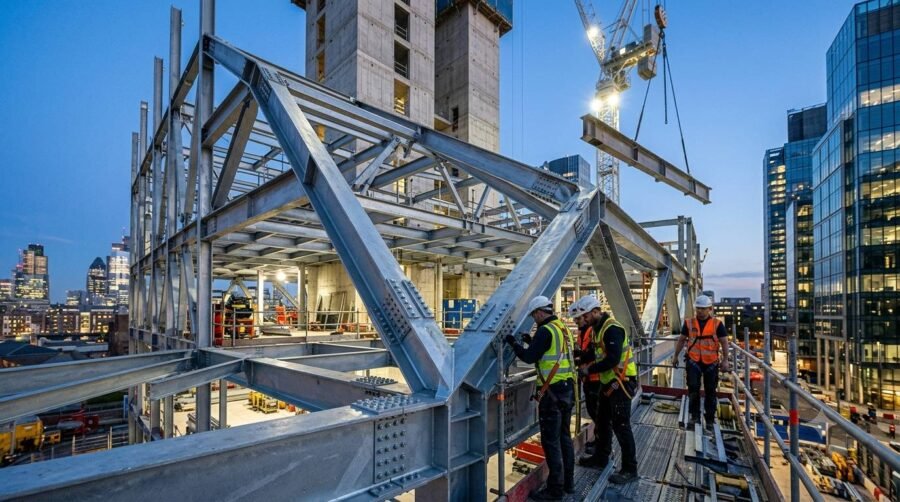
Whether it’s a commercial building, industrial facility or public infrastructure project, fabricated metal components form the backbone of modern construction. Choosing well designed, accurately manufactured steelwork helps improve safety, reduce delays and support long term structural performance.
For project managers, architects and contractors sourcing metal works in the UK, understanding what separates high quality fabrication from poor workmanship can help prevent costly issues later in a project. Decisions made during specification and procurement often have a lasting impact on build quality and maintenance costs.
Accuracy from the Start
Every successful fabrication project begins with accurate drawings, clear specifications and careful planning. Small measurement errors at the design stage can create significant installation problems once materials arrive on site.
Modern fabrication techniques, including CNC cutting and precision welding, allow manufacturers to produce components with exceptional consistency. This reduces the need for alterations during installation and helps projects remain on schedule.
Early collaboration between designers, engineers and fabricators also allows potential challenges to be identified before production begins, saving both time and resources.
The Importance of Material Selection
Different construction projects require different grades of metal depending on their intended use and environmental conditions. Structural steel, stainless steel and aluminium each offer distinct advantages in terms of strength, corrosion resistance and weight.
Selecting the appropriate material is about far more than meeting budget requirements. Factors such as expected load, exposure to moisture, maintenance expectations and building regulations all influence the most suitable choice.
Using materials that are appropriate for the application contributes to longer service life and improved reliability.
Quality Control Protects Long Term Performance
Consistent quality checks throughout the fabrication process help ensure finished components meet required standards before they reach site.
Inspection of welds, dimensional accuracy and protective finishes all play an important role in preventing defects that may otherwise remain hidden until installation. Thorough quality assurance reduces the likelihood of rework, unexpected delays and future maintenance problems.
Reliable documentation and traceability also provide confidence that fabricated components comply with relevant industry standards.
Protective Finishes Extend Service Life
Many fabricated steel products are exposed to challenging weather conditions throughout their lifespan. Applying suitable protective coatings helps reduce corrosion and preserve structural integrity.
Common options include galvanising, powder coating and specialist paint systems, with the most appropriate finish depending on the environment in which the metalwork will be used.
Selecting the right protection from the outset can significantly reduce maintenance requirements and extend the lifespan of the finished installation.
Working with Experienced Fabricators
Successful fabrication depends on more than machinery alone. Skilled engineers, welders and project managers contribute valuable knowledge that supports accurate production and practical problem solving throughout a project.
Experienced fabrication teams understand how to interpret technical drawings, identify potential manufacturing challenges and deliver components that fit correctly the first time. Effective communication throughout production also helps ensure projects progress smoothly from manufacture to installation.
Conclusion
High quality metal fabrication is an essential part of delivering safe, durable and efficient construction projects. From selecting appropriate materials to maintaining rigorous quality control and applying suitable protective finishes, every stage contributes to the overall performance of the finished structure.
Understanding the factors that influence fabrication quality allows construction professionals to make informed decisions that support long term value, minimise disruption during installation and help buildings perform as intended for many years.