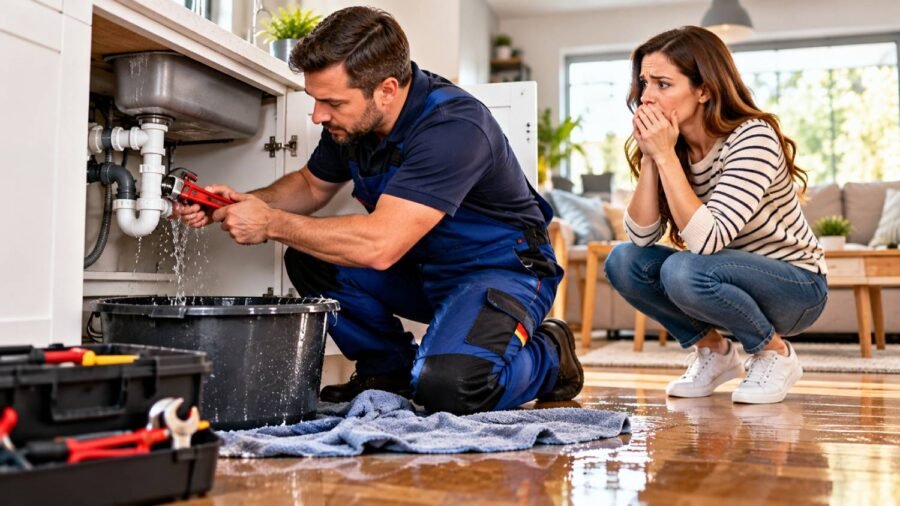
A water leak may begin as a minor plumbing fault, but leaving it unresolved can lead to damaged walls, deteriorating flooring, mould growth and unexpectedly high water bills. Hidden leaks can be particularly difficult to identify because water may escape behind walls, beneath floors or from underground supply pipes before obvious signs appear.
Acting promptly can help limit these problems and reduce the overall cost of putting things right. Professional leak repair services can help identify the source of a leak, assess the necessary repairs and prevent further water loss. Early intervention may also make it easier to document damage and establish whether your insurance policy provides cover for any associated costs.
Why Early Leak Repair Can Save Money
The financial impact of a leak depends on its location, severity and how long water continues to escape. A damaged pipe can waste water continuously, while moisture entering building materials may gradually affect plaster, flooring, insulation and timber.
The longer a leak remains unresolved, the greater the opportunity for secondary damage to develop. Repairing the underlying fault quickly can limit the affected area and reduce the likelihood of needing extensive restoration work.
There are also indirect costs to consider. Significant water damage may require professional drying, replacement materials and temporary changes to how a room or property can be used. For landlords and businesses, disruption may affect tenants, employees or normal operations.
Prompt repairs cannot guarantee that every expense will be avoided, but they can prevent an existing problem from continuing unnecessarily.
Recognising the Warning Signs of a Water Leak
Not every leak produces an obvious puddle. Some develop gradually in concealed pipework, making early warning signs especially important.
An unexplained increase in water bills can indicate that water is escaping somewhere in the supply system. Similarly, reduced water pressure may suggest a pipework problem, particularly when neighbouring properties have no comparable issue.
Inside the property, watch for damp patches, peeling paint, discoloured ceilings, warped flooring and persistent musty smells. Outside, wet areas that remain after dry weather, unusually green grass or pooling water near underground pipes may indicate a supply leak.
You may also hear running water when taps and water-using appliances are switched off. Although these symptoms can have other causes, several occurring together warrant further investigation.
How Professional Leak Detection Helps Prevent Further Damage
Finding the actual source of a leak is essential. Repairing a visible patch of damage without addressing the faulty pipe may leave the underlying problem unresolved.
Professional detection can help locate leaks behind walls, beneath floors and in buried water supply pipes. Depending on the circumstances, specialists may use acoustic listening equipment to identify the sound of escaping water, thermal imaging to detect temperature differences or moisture meters to assess dampness. Tracer testing may also help investigate more difficult leaks.
These techniques can reduce the need for exploratory drilling or extensive excavation, although some access work may still be necessary to complete a repair.
Once the source has been identified, the appropriate solution depends on the condition and location of the pipe. A localised repair may be sufficient in some cases, while badly deteriorated or unsuitable pipework may require replacement.
Clear findings and a written quotation help property owners understand the proposed work before authorising it.
The Link Between Water Leaks and Insurance Costs
Water damage claims depend on your insurance policy, the cause of the leak and any applicable exclusions or excess. Some policies cover sudden water damage, while gradual leaks, wear and tear or pipe repairs may be excluded. Trace and access cover, if included, may help pay for locating and accessing hidden leaks.
Act promptly to limit further damage, as delays may complicate a claim. Contact your insurer, document the damage and check whether approval is needed before arranging non-emergency repairs. Keep in mind that not all repair or restoration costs will necessarily be covered.
Practical Steps to Take When You Discover a Leak
Knowing what to do immediately can help protect your property while you arrange a suitable repair.
- Stop the water supply if safe: Turn off the relevant isolation valve or main stopcock if you can access it safely. If the leak involves an electrical hazard, avoid the affected area and seek appropriate professional assistance.
- Protect belongings: Move furniture, electronics and other valuables away from the water where it is safe to do so. Use containers to collect dripping water if practical.
- Document the damage: Photograph visible leaks, damp patches and affected possessions. Keep dated records and retain receipts for emergency work or other relevant expenses.
- Contact a qualified professional: Arrange an assessment promptly, especially if the leak is concealed, water pressure has dropped significantly or an underground supply pipe may be involved.
- Inform your insurer: Follow its claims procedure and retain copies of correspondence, inspection findings, quotations and invoices.
- Monitor the affected area: After the repair, check for continuing dampness, unusual smells or returning stains. Materials may need professional drying even after the water supply has been restored.
These steps help establish what happened, limit avoidable damage and provide useful information for the repair process and any subsequent insurance claim.
Choosing the Right Leak Repair Service
The cheapest quotation is not necessarily the most economical option if it fails to address the underlying cause. When comparing providers, consider their experience with the type of leak, their detection methods and whether they can carry out the required repair.
Ask whether the quotation covers detection, access, replacement materials, labour and any reinstatement work. If a pipe runs beneath a driveway or floor, clarify how the repair will be accessed and whether the disturbed surface will be restored as part of the agreed work.
Reliable communication matters, too. A professional should explain what has been found, why a particular repair is recommended and whether alternative options are available. Request written details of the proposed work and any applicable guarantees rather than relying on verbal assurances.
For concealed or underground leaks, specialist leak repair services can be particularly useful because locating the fault accurately may reduce unnecessary disruption. Check that the provider handles your specific type of pipework and serves your area before arranging a visit.
Preventing Future Leaks and Unexpected Expenses
Regularly inspect accessible pipes, taps and appliance connections for drips, corrosion or loose fittings. Investigate recurring damp patches promptly, and seek professional advice if older pipework may need attention.
During cold weather, protect exposed pipes from freezing to reduce the risk of damage. If leaving your property empty, take suitable precautions for its plumbing system.
Finally, review your home insurance policy to understand its excess, exclusions and trace and access cover. Knowing these details in advance can help you manage unexpected repair costs.
The Bottom Line
Fast action and regular property maintenance can make a meaningful difference to the cost of a water leak. Recognising warning signs, stopping the water supply where safe and arranging appropriate repairs can limit water waste, reduce further property damage and help preserve evidence for an insurance claim. Coverage will depend on the policy, so check the terms rather than assuming all expenses are insured.
If you suspect a hidden or underground leak, seek a professional assessment instead of relying on guesswork. Compare written quotations, keep records of the damage and notify your insurer when appropriate. Choosing suitable leak repair services promptly can help control avoidable costs and protect your property over the long term.