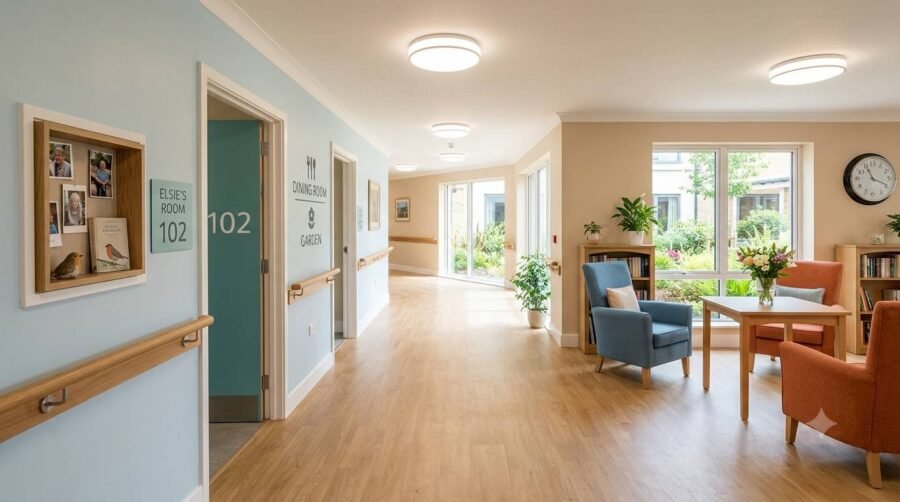
Dementia-friendly design is not simply about handrails and locked doors. Colours, lighting, layout, signage, acoustics and access to nature can all shape a resident’s experience. Knowing what to examine helps families identify a care setting that promotes comfort, independence, safe movement and meaningful daily engagement for everyone living there today.
A well-designed environment can make daily life calmer, safer and more manageable for someone living with dementia. The building should support recognition, movement, comfort and independence without feeling clinical or restrictive. When families visit a dementia care home Surrey, they should look beyond attractive decoration and consider how each space works in practice. Clear routes, appropriate lighting, secure outdoor areas and familiar features can reduce confusion and encourage participation. Thoughtful design also supports staff in delivering personalised care. The best environment combines safety with warmth, giving residents confidence to move, rest, socialise and enjoy meaningful moments each day with dignity.
1. Clear Layouts Support Confident Movement
Complicated corridors, identical doors and hidden communal rooms can make moving around difficult for someone living with dementia. A dementia-friendly building should provide simple, clearly defined routes that help residents understand where they are and where they are going. Important destinations, including dining rooms, lounges, toilets and gardens, should be easy to locate, while familiar objects or interesting stopping points can make long corridors feel more reassuring. During a visit, walk through the home without relying on staff directions and consider whether you can find essential rooms naturally. If the layout confuses a visitor, it may be even harder for someone experiencing changes in memory or perception.
2. Signage, Colour and Contrast Improve Recognition
Clear signs can support independence, but they must be easy to understand. Words, familiar symbols and pictures may work together more effectively than decorative signs alone.
Colour contrast can also make doors, furniture and bathroom fittings easier to recognise. However, highly patterned carpets or sudden changes in flooring colour may sometimes be misinterpreted as obstacles.
Look for:
- Clearly marked toilets and communal rooms
- Bedroom doors with personal memory cues
- Furniture that contrasts with walls and floors
- Consistent flooring without confusing patterns
- Signs positioned at an accessible viewing height
These details should guide residents quietly rather than make the home feel institutional.
3. Lighting Should Reduce Shadows and Glare
Good lighting helps residents identify faces, objects and changes in floor level. Natural daylight can also support normal daily routines and create a more pleasant atmosphere.
Dark corners, harsh reflections and deep shadows may cause uncertainty. When comparing a dementia care home Surrey, visit different areas of the building and notice whether the lighting remains even. Check corridors, bedrooms, bathrooms, stairways and shared spaces rather than viewing only the reception area.
Curtains and blinds should help manage glare, while lighting at night should support safe movement without unnecessarily disturbing sleep.
4. Familiar Spaces Encourage Meaningful Activity
A dementia-friendly home should provide recognisable spaces where residents can interact, rest or participate in activities according to their preferences. Comfortable lounges, welcoming dining areas, sensory spaces and themed features can create interest and encourage conversation. Indoor gardens, beach-themed areas, car simulators or memory displays may also support sensory engagement and connect residents with familiar interests and experiences. These features are most effective when staff incorporate them into personalised, meaningful care. However, stimulation should always be balanced with comfort, as not every resident wants constant activity. Quiet areas should therefore be available for resting, receiving visitors or enjoying gentle sensory support without excessive noise.
5. Secure Gardens Should Feel Accessible
Outdoor access can support movement, relaxation and contact with nature. Secure landscaped gardens allow residents to enjoy fresh air with reduced risk of becoming lost or reaching an unsafe area.
Families should examine whether garden routes are level, continuous and clearly visible. Seating should be available at suitable intervals, with shaded areas for warmer weather.
A practical outdoor design should include:
- Safe and even walking surfaces
- Routes that lead residents back naturally
- Comfortable and accessible seating
- Secure boundaries that do not feel oppressive
- Plants or sensory features that create interest
6. Bedrooms Need Identity and Privacy
A bedroom should feel personal rather than interchangeable. Familiar photographs, possessions and memory items may help a resident recognise the room as their own.
The space should also support privacy, comfortable movement and changing care needs. Families can ask whether rooms may be personalised and how staff balance safety with the resident’s preferences.
FAQs
1. Can Design Reduce Dementia Symptoms?
Design cannot treat dementia, but a clear and comfortable environment may reduce avoidable confusion, distress and frustration.
2. Why Are Patterns Sometimes a Problem?
Strong patterns or contrasting floor sections may be misinterpreted as holes, steps or obstacles by someone experiencing visual-perception changes.
3. Should All Doors Be Highly Visible?
Important doors should be recognisable, while staff-only or unsafe areas may be less visually prominent. The approach should support safe independence.
4. What Makes a Garden Dementia-Friendly?
A secure boundary, even paths, clear routes, seating and sensory planting can make a garden safer and more inviting.
5. Is a Quiet Environment Always Better?
Peaceful surroundings are helpful, but complete silence can feel isolating. The aim is manageable sound, meaningful activity and access to quieter spaces.
Conclusion
The physical environment plays an important role in dementia care. A thoughtful building can make movement easier, reduce unnecessary confusion and create opportunities for comfort, activity and social connection. Families should examine routes, signs, lighting, flooring, bedrooms, communal spaces and outdoor access rather than judging the home by appearance alone.
Design must also work alongside trained staff and personalised support. Attractive facilities have limited value unless residents are encouraged to use them in ways that reflect their interests, abilities and changing needs. During a visit, observe whether the environment feels calm, understandable and welcoming. Ask how particular design choices support people with advanced or complex dementia. By looking carefully at both safety and everyday quality of life, families can choose a dementia care home Surrey where the building supports dignity, familiarity and meaningful living.