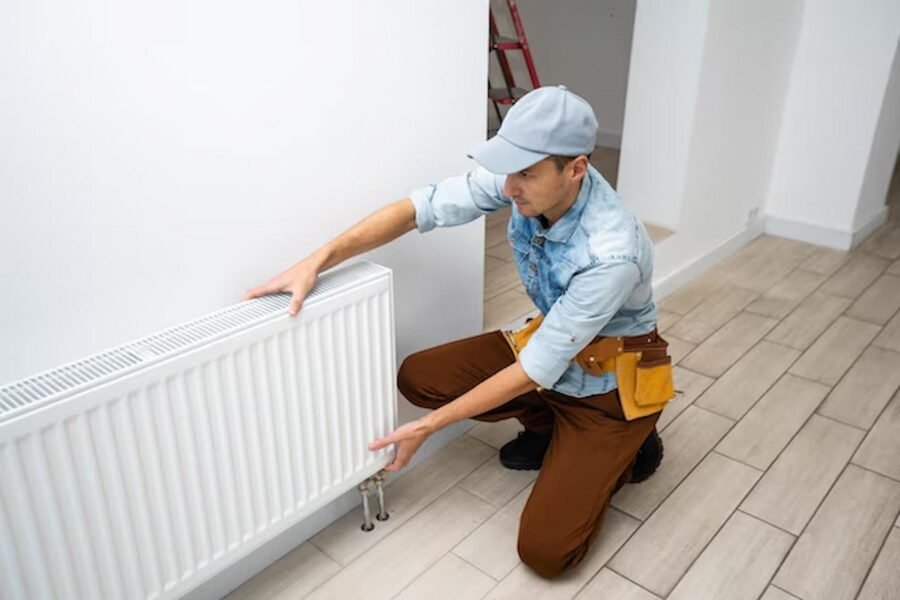
Radiators are one of the most dependable parts of any home heating system, quietly working in the background to keep rooms warm and comfortable. Yet, like any mechanical component, they do not last forever. Knowing how long radiators typically last—and recognising the signs that they may need replacing—can help you avoid inefficiencies, rising energy costs, and unexpected breakdowns during colder months.
A well-maintained radiator can serve you reliably for many years, but performance naturally declines over time. Investing in high-quality systems such as Stelrad Radiators ensures durability and consistent heat output, but even the best models eventually show signs of wear. Understanding lifespan and maintenance factors is key to making informed decisions about repair or replacement.
How Long Do Radiators Typically Last?
Average Lifespan of Radiators
Most modern radiators have a lifespan of 15 to 20 years, depending on their type, usage, and maintenance. Steel panel radiators, which are common in UK homes, often fall within this range. Cast iron radiators, on the other hand, can last significantly longer—sometimes over 30 years—if properly cared for.
However, lifespan is not just about age. A radiator that is 10 years old but poorly maintained may perform worse than a 20-year-old unit that has been regularly serviced.
Factors That Affect Longevity
Several elements influence how long your radiators will last:
- Water quality: Poor water quality can lead to internal corrosion and sludge build-up.
- System maintenance: Regular bleeding and flushing extend lifespan.
- Material quality: Higher-grade materials resist wear and corrosion better.
- Usage patterns: Constant high-temperature use can accelerate wear.
Signs Your Radiator May Need Replacing
Reduced Heating Efficiency
If your radiator takes longer to heat up or fails to distribute warmth evenly, it may be struggling internally. Sludge accumulation or internal corrosion can block water flow, reducing efficiency.
Cold Spots and Uneven Heating
Cold patches, especially at the bottom of the radiator, are a common sign of sediment build-up. While power flushing can sometimes resolve this, persistent issues may indicate that replacement is the more cost-effective solution.
By this stage, even reliable systems like Stelrad Radiators may show signs of ageing if maintenance has been inconsistent or if the system water has not been treated properly.
Frequent Bleeding Required
Needing to bleed your radiators frequently suggests trapped air or system imbalance. While occasional bleeding is normal, constant air build-up can signal deeper issues within the heating system.
Visible Corrosion or Leaks
Rust, discolouration, or small leaks are clear indicators that your radiator is nearing the end of its life. External corrosion often reflects internal deterioration, which can compromise structural integrity.
When Should You Replace Your Radiators?
After 15–20 Years of Use
Even if your radiators appear functional, performance often declines after two decades. Replacing older units with modern, energy-efficient models can significantly improve heating output and reduce energy consumption.
During a Heating System Upgrade
If you are upgrading your boiler or switching to a more efficient heating system, it makes sense to replace ageing radiators at the same time. New systems work best when all components are optimised.
Rising Energy Bills
Older radiators can become inefficient, requiring more energy to produce the same level of heat. If your heating bills are steadily increasing without a clear reason, outdated radiators may be part of the problem.
Benefits of Replacing Old Radiators
Upgrading your radiators offers more than just improved heating—it enhances overall comfort and efficiency.
- Better heat distribution: Modern designs ensure consistent warmth across rooms
- Improved energy efficiency: Reduced energy usage lowers utility bills
- Enhanced aesthetics: Contemporary styles complement modern interiors
- Faster heating response: New radiators heat up more quickly
- Reduced maintenance issues: Less risk of leaks, sludge, and air build-up
Repair vs Replacement: Making the Right Choice
When Repairs Are Enough
In some cases, simple maintenance can restore performance:
- Bleeding the radiator
- Power flushing the system
- Replacing valves or thermostatic controls
These solutions are often effective for relatively new radiators experiencing minor issues.
When Replacement Is the Better Option
Replacement becomes the smarter choice when:
- The radiator is over 15 years old
- Corrosion or leaks are visible
- Efficiency remains low despite maintenance
- Heating is inconsistent across multiple rooms
At this point, continuing to repair an ageing radiator can become more expensive than investing in a new unit.
Tips to Extend Radiator Lifespan
Proper care can significantly extend the life of your radiators and improve performance over time.
Regular Maintenance Practices
- Bleed radiators annually to remove trapped air
- Power flush every 5–7 years to clear sludge
- Check for leaks or rust periodically
- Install inhibitor chemicals to protect against corrosion
- Ensure balanced heating system for even water flow
Taking these simple steps can delay the need for replacement and maintain efficiency.
Choosing the Right Replacement Radiator
When it is time to upgrade, selecting the right radiator is essential for long-term performance.
Consider Heat Output (BTU)
Each room requires a specific heat output based on size and insulation. Choosing the correct BTU rating ensures efficient heating without unnecessary energy use.
Material and Design
Steel panel radiators are popular for their efficiency and affordability, while aluminium options offer faster heat-up times. Designer radiators can also add a stylish touch to your space.
Compatibility with Modern Systems
If you are considering renewable heating options such as heat pumps, ensure your radiators are compatible with lower flow temperatures for optimal performance.
Conclusion
Radiators are built to last, but they are not immune to wear and tear. Most units perform well for 15 to 20 years, after which efficiency gradually declines. Recognising early warning signs—such as cold spots, corrosion, or rising energy bills—can help you act before problems escalate. Replacing ageing radiators is not just about avoiding breakdowns; it is an opportunity to improve comfort, reduce energy consumption, and modernise your home heating system. By combining regular maintenance with timely upgrades, you can ensure your home remains warm, efficient, and cost-effective throughout the year.
If your radiators are showing signs of age, now is the right time to assess their performance and consider whether an upgrade could deliver long-term benefits.